The gymnasium on Rye Street is quiet in a way it has not been since Eisenhower was in office. Fencing, staging, the low hum of a construction site where four baseball diamonds used to fill Saturday mornings with the sound of aluminum bats. If you live on one of the cul-de-sacs between Whitsett and Coldwater, you already know this. You have already had the conversation about where the kids are going for basketball this winter.
What follows is not a lament. It is a working map of a Studio City pocket in transition, and a case for why the next two years might be the most interesting time to actually pay attention to what makes Beeman Park itself.
A 1952 Gym, A 1996 Ballot Measure, And A Long-Overdue Groundbreaking
The old gymnasium at the Studio City Recreation Center was built in 1952 and is being torn down and transformed into a new gymnasium and community center. Construction was originally slated to begin in early September, and the project is estimated to take about two years to complete, with no events at the center until it is done. That is a long stretch to lose the building that has hosted co-ed youth baseball, basketball, soccer, and flag football, sports clinics, dance, self-defense, senior tennis, a pre-school program, and winter and summer camp.
The funding story is worth understanding, because it explains why this took so long and why it is finally moving. The rebuild is one of the last projects in the Prop K pipeline, an initiative approved by Los Angeles voters in 1996 that assessed $25 million every year over 30 years to reinvest in city parks. Prop K money seeded a generation of Valley amenities that residents now take for granted, including the Ferraro Soccer Fields, LA River Greenway segments in Sherman Oaks and Studio City, the Sepulveda Garden Center, land acquisition for Runyon Canyon Park, and improvements to Encino Park. Beeman Park was near the end of that queue and stalled out.
The gap closed with a federal grant of $3 million secured by Congressman Brad Sherman, which finally got the project into the ground.
For a park addressed at 12621 Rye Street, that is a thirty-year fundraising story ending in a two-year absence. Worth knowing on the walk over.
What Displaces When A Rec Center Closes
If you drive past on a weekday afternoon, the loss reads visually. It is worth pointing out what is actually gone from daily circulation. The center's regular inventory has long included a jogging path with a PAR fitness trail, an auditorium, barbecue pits, four baseball diamonds, outdoor basketball courts, two play areas, picnic tables, four tennis courts, and legacy gymnastic equipment. Some of that will remain accessible in fragments during construction. Some of it will not.
The park's traditional community calendar has centered on an egg hunt during spring break, Halloween, and the Winter Family Festival. Those events, along with the birthday parties and movie nights families have logged there for years, are on pause. If you moved to Beeman Park specifically for the daily rhythm of the rec center, this is the moment to build a temporary second habit.
The Other Anchor Is On Your Own Block
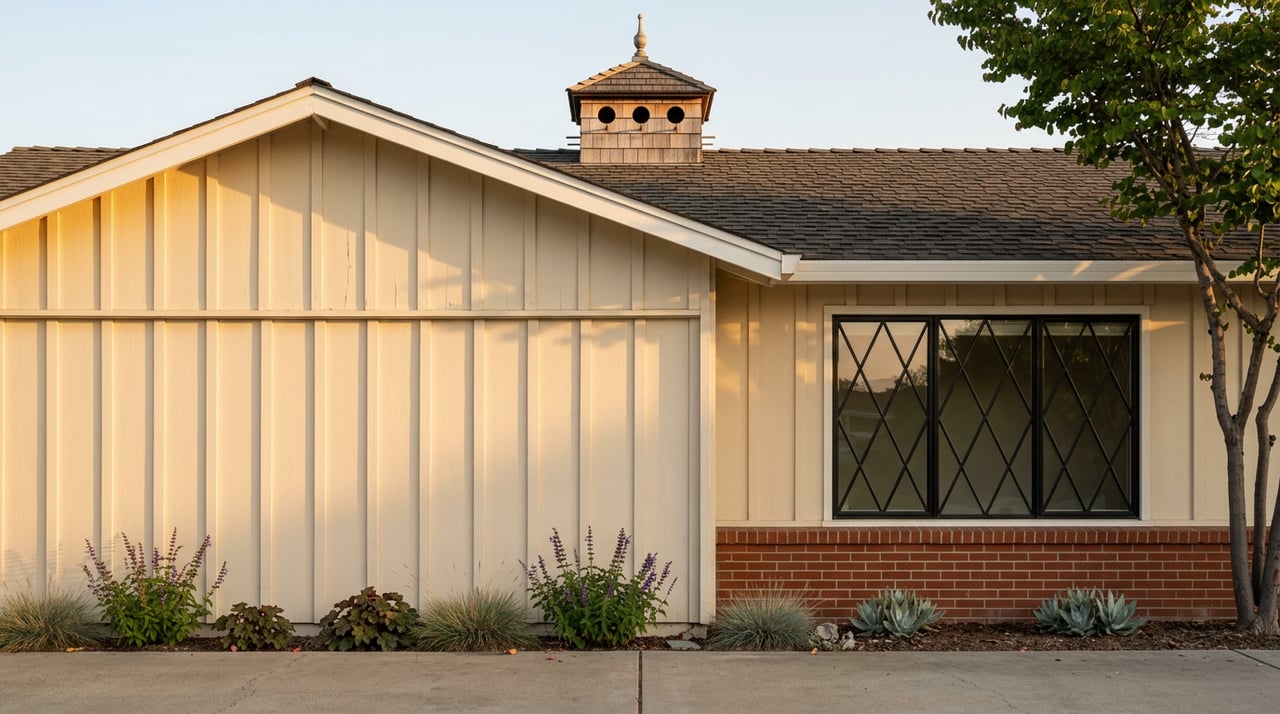
Here is the thesis. Beeman Park has always had two centers, not one. The public center on Rye Street is loud and busy and, right now, closed. The private center is quieter and it is spread across the streets you already walk. It is the collection of William Mellenthin Birdhouse ranch homes that gave this neighborhood its shape in the first place.
Mellenthin was not a licensed architect. He was a builder who began building homes in Los Angeles in 1923 and built over 3,000 homes across the city and the San Fernando Valley, and created designs for Birdhouse ranch homes that featured a cupola or dovecote built prominently into the roofs. The undeniable charm and curb appeal of these homes was very popular with buyers, and as a result he created something of a trend. Beeman Park is one of the pockets where the trend still reads clearly from the sidewalk.
How To Spot A Real One On A Walk
If you have never taken the time to look, next time you loop the neighborhood, watch for:
- Small birdhouses or dovecotes perched atop roofs, often gracing garages, living rooms, or bedrooms, sometimes with as many as six openings
- Diamond pane windows with a recurring diamond pattern gracing the façade
- Red brick fireplaces, often in Mellenthin's signature two-sided configuration
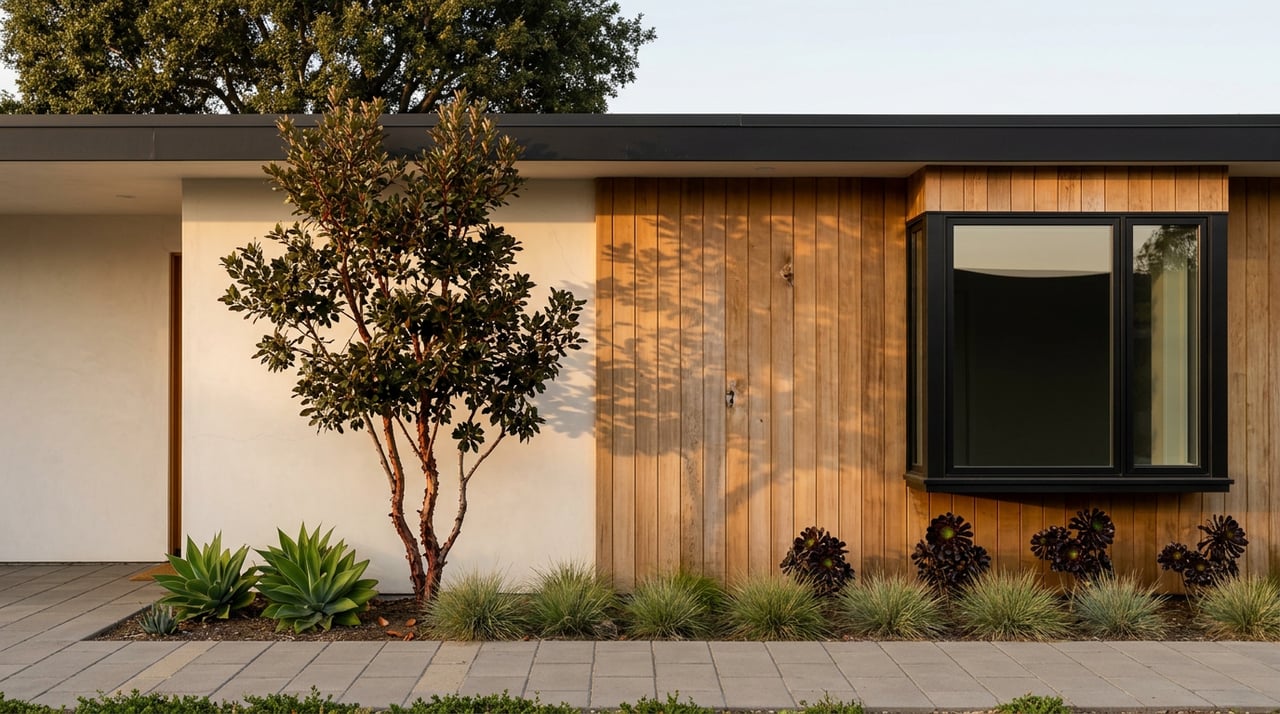
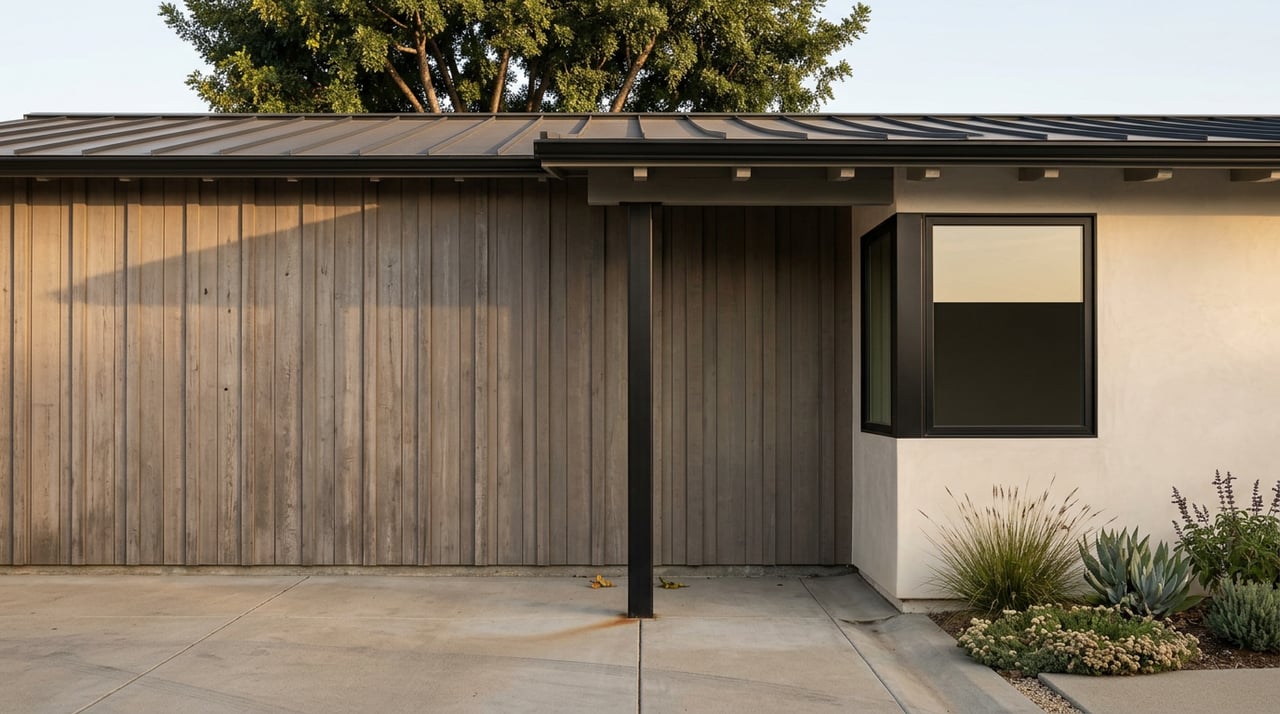
- Board-and-batten siding that gives the homes a rustic textural detail
- Decorative cupolas and finials, low asymmetrical cottage-like roofs, large patios, and interior features like high-beamed ceilings and natural wood finishes
The homes rewarded a specific kind of Valley life. As the historian who wrote the book on Mellenthin put it, "These homes were perfect for a family living in the San Fernando Valley, where the sun can be enjoyed almost every day of the year," with lots of natural light brought in through large picture windows in both the front and back of the house.
That intent still holds. Walk any of the dead-end streets south of Moorpark on a July evening and the light comes through those diamond panes exactly the way it was drawn.
The Preservation Question, Right Now
This is not academic. In 2025, the Los Angeles Cultural Heritage Commission and City Council were dealing with a live case about Mellenthin's built legacy just over the hill. According to the LA Conservancy, on April 8 the City Council voted to designate the birdhouse apartments as a Historic-Cultural Monument, after the Planning and Land Use Management Committee voted to support the nomination, though on March 13 the Planning Department had approved an application for a 104-unit project on the site, and on February 6, 2025 the Cultural Heritage Commission had voted unanimously to recommend the designation.
The takeaway for Beeman Park homeowners is not procedural. It is that the Birdhouse form is being actively contested elsewhere in Los Angeles right now, which is a useful lens to bring to your own block. The homes were considered both affordable and high quality, and although many of Mellenthin's originals have been torn down to make way for new development, an abundance of well-preserved and unrestored classics remain in the Valley. Beeman Park holds a real share of them.
A Walkable Loop For The In-Between
With the rec center offline, the center of gravity for a Saturday morning has moved south, toward Ventura Boulevard. A short loop that works:
Start on the residential streets around Rye and Teesdale, where the Mellenthin stock is densest. Head south. Cross Moorpark. Aim for the block of Ventura around 12616, where a new breakfast spot called Muffin Can Stop Us has opened at 12616 Ventura Boulevard, just across the street from Staples and Carney's, serving breakfast sandwiches on English muffins. Coffee out, coffee back.
If it is later in the day and the kids are along, Fatamorgana Gelato is the standing local recommendation for a walk-back treat. It is one of the businesses Beeman Park neighbors have singled out repeatedly in community roundups, and it is close enough that a family walk from the interior of the neighborhood to Ventura and back does not require the car.
A quick note on the park itself during construction. According to on-the-ground reporting from park visitors, parts of the park are under renovation with construction expected to continue, but the playground area remains spacious, clean, and well-maintained, with thoughtfully designed sections for both toddlers and older children. In other words, the playground is still doing work. It is the gym and the programmed events that are on hold.
Why This Is Actually A Good Window To Live Here
Neighborhoods reveal themselves in the interruptions. When the rec center is running at full volume, the park does the community work and the streets around it fade into a backdrop. With the gym down, the backdrop is the point. The Mellenthin homes, the dead-end streets that make most of the streets in the neighborhood dead ends and cul-de-sacs where people walking feel safe and everyone seems to own a dog or a child in tow, giving the enclave a warm and inviting character, the short walk down to Ventura. This is what people are actually buying into when they buy into Beeman Park. Two years without the gym is a two-year reminder.
By the time the ribbon cuts on the new community center around 2027, most of this will settle back into the background. Take the walk now.
If you are thinking about what your Birdhouse or your post-1970s infill home is worth in this specific stretch of Studio City, or you want a neighbor's read on what to protect, restore, or update before a future sale, Bryan Abrams has been walking these blocks since 1994. Schedule a Studio City market consultation, and bring the questions you have been saving for someone who actually knows the street.