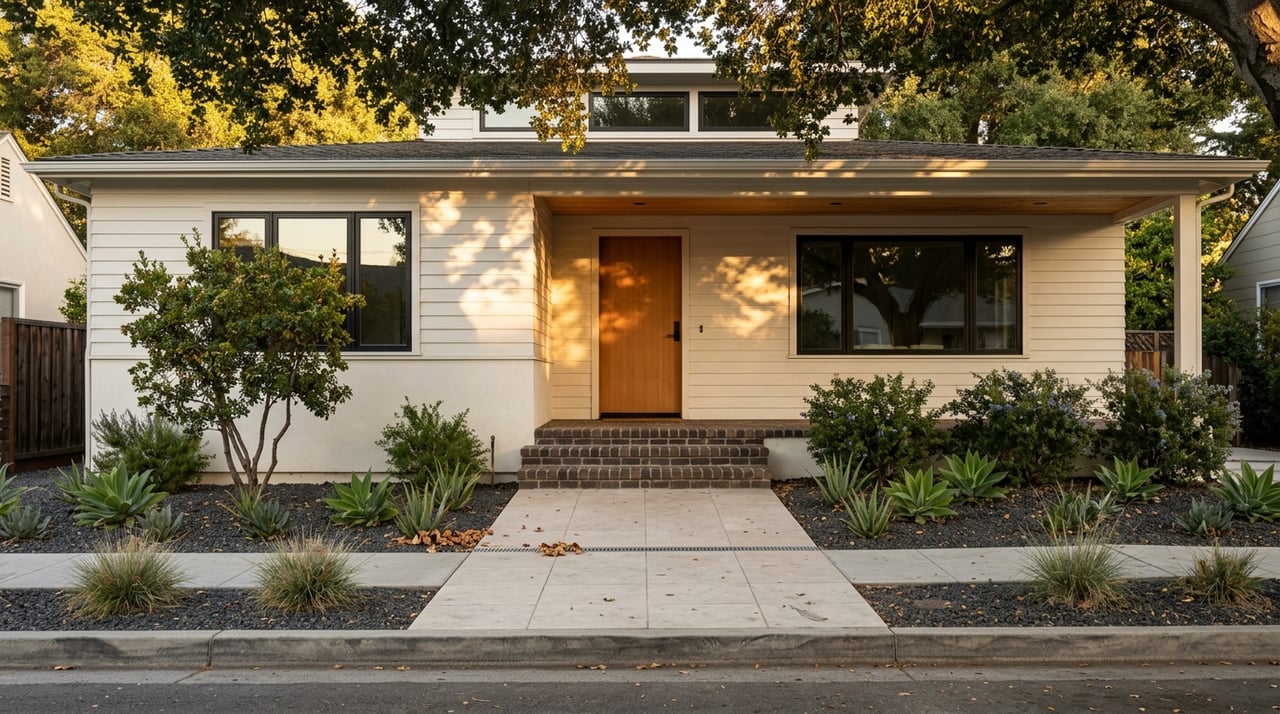
Looking for a neighborhood that feels established, architectural, and easy to live in day to day? Colfax Meadows stands out for exactly that reason. If you are drawn to older homes, leafy streets, and the kind of local rhythm that still feels personal, this pocket of Studio City offers a lot to like. Here is a closer look at what everyday living and architecture in Colfax Meadows really feel like, and why the neighborhood continues to hold its appeal.
Colfax Meadows at a Glance
Colfax Meadows sits within Studio City’s residential fabric, with roots tied to the Valley’s 1920s development boom. Historical sources note that the neighborhood was subdivided by the Lankershim Ranch Land & Water Company, with original lots around 15,000 square feet. Later zoning changes were intended to help the area retain its scale.
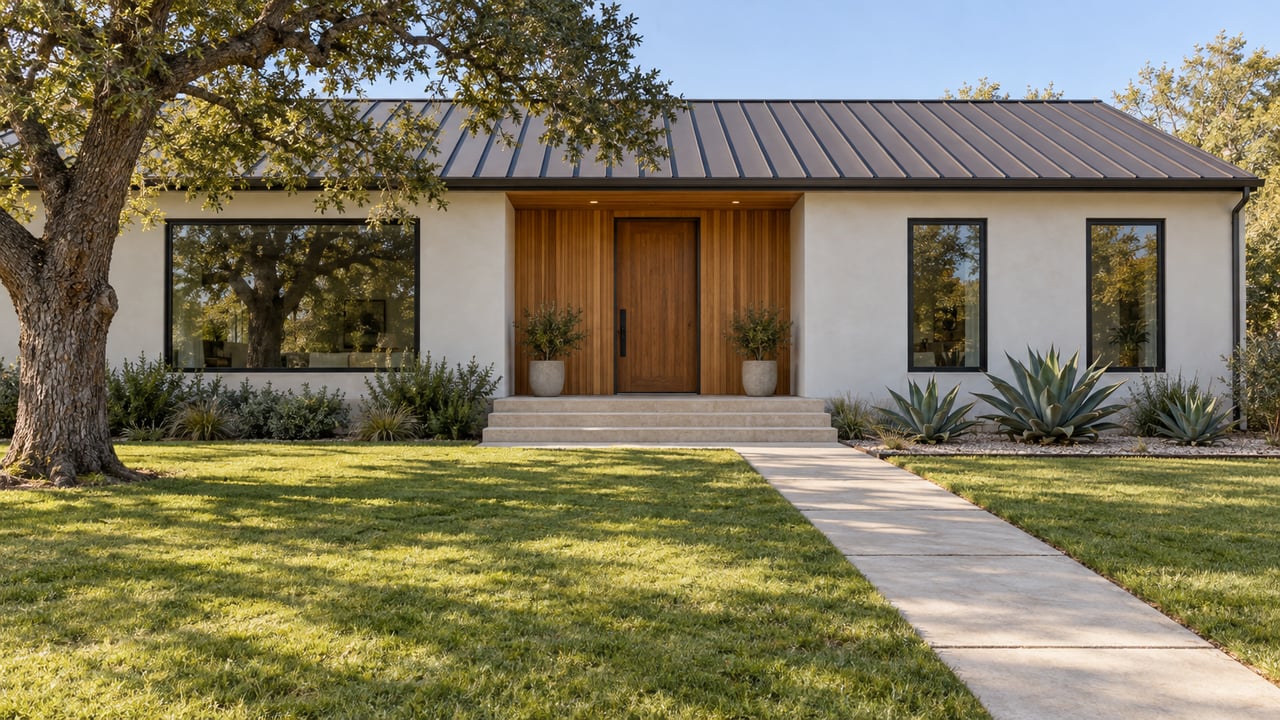
That planning history still shows up in how the neighborhood feels today. The area is known for a lower-density pattern, mature trees, and streets that read more residential than heavily built up. If you value breathing room and a sense of continuity from one block to the next, that is a big part of the draw.
Why the Streets Feel So Established
One of the clearest things people notice in Colfax Meadows is its leafy, settled character. Local reporting describes a landscape shaped by mature trees left over from early orchards, along with a street pattern that includes relatively few curbs, sidewalks, or streetlights. Together, those elements create a softer, more park-like setting than you might expect in Los Angeles.
That does not mean the neighborhood is frozen in time. It means the original scale and landscape pattern still do a lot of work in shaping the experience of living there. For buyers, that often translates into a stronger sense of place and a more distinctive block-by-block identity.
Architecture in Colfax Meadows
A Mix of Period Styles
Colfax Meadows is not defined by just one home style. The strongest source-backed descriptions point to a mix of 1930s ranch-style homes, Cliff May-style ranches, mini Tudor homes, and other period houses. That variety is part of what gives the neighborhood visual interest.
You may hear people use words like bungalow when talking about the area, but that is better understood as a general nod to older-home charm than as a precise architectural category. If you are house hunting here, it helps to think in terms of period character rather than one uniform style.
Details That Give Homes Character
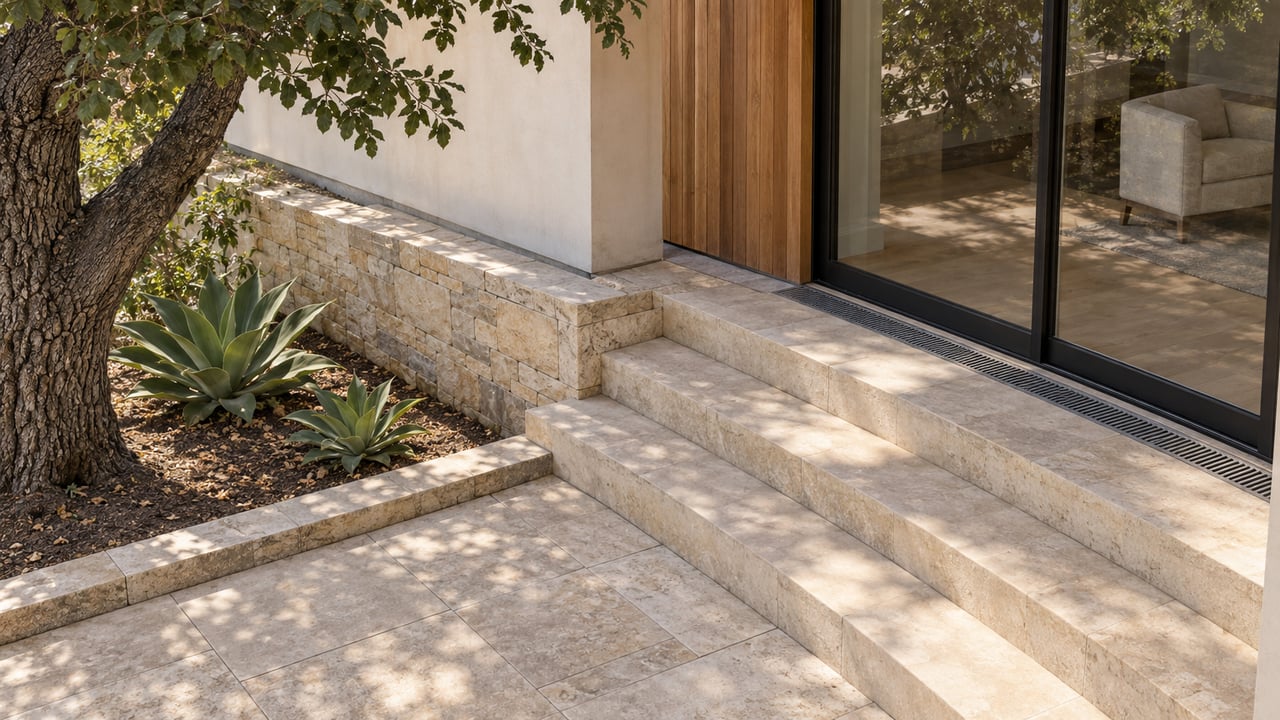
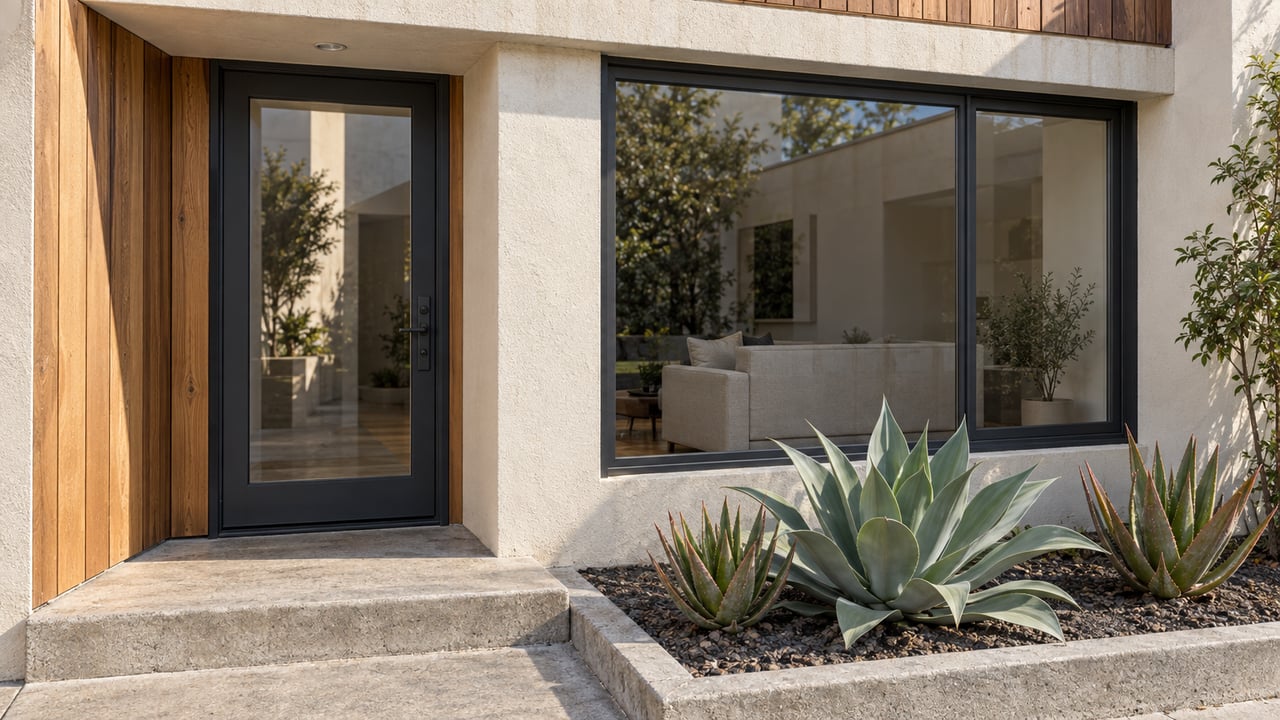
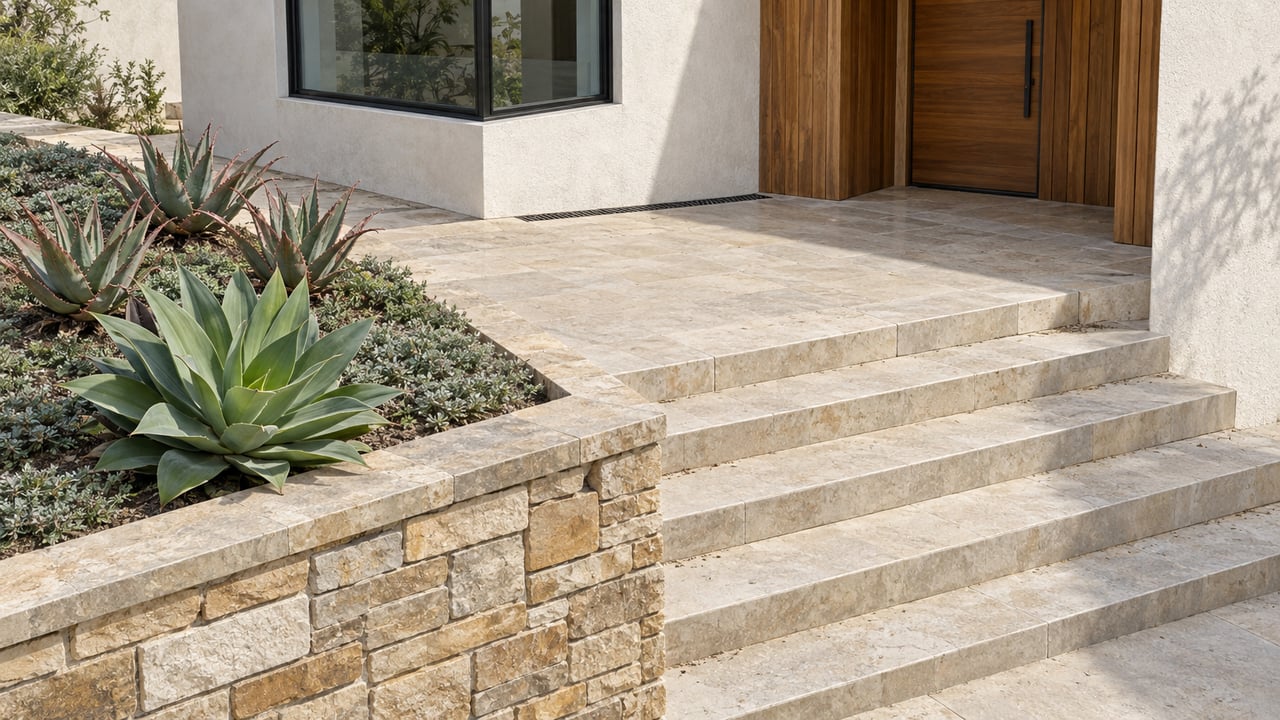
Many homes in Colfax Meadows are appreciated for original features that are harder to replicate in newer construction. Reported details include beamed ceilings, wood floors, leaded glass, and large, park-like backyards. These elements can make a home feel grounded, warm, and closely tied to its era.
For buyers who care about design, this is a neighborhood where architecture often feels lived-in rather than manufactured. For sellers, those authentic details can help tell a stronger story when a home is presented well.
Lot Size Matters Here
The neighborhood’s original subdivision pattern also matters from a lifestyle perspective. Larger historic lots helped shape the spacious feel that still defines many streets. Even before you step inside a home, the lot pattern contributes to privacy, mature landscaping, and a more open residential setting.
That is one reason Colfax Meadows tends to feel different from areas shaped by smaller parcels or more intensive redevelopment. The homes and the land around them work together to create the neighborhood’s identity.
Everyday Living Near Tujunga Village
One of the practical advantages of Colfax Meadows is its access to Tujunga Village. The Tujunga Village Commercial Historic District runs along Tujunga Avenue between Moorpark and Woodbridge. City planning records describe it as a linear group of mostly one-story storefronts built from 1937 to 1954, with wide concrete sidewalks, mature street trees, pedestrian orientation, and limited surface parking.
In real life, that supports an easy neighborhood rhythm. It is the kind of setting that fits coffee runs, casual meals, and simple evening meet-ups without feeling overly commercial. That balance of residential calm and nearby activity is a major part of the area’s appeal.
Local Spots That Shape the Routine
Two current anchors help illustrate that daily pattern. Aroma Coffee and Tea is located at 4360 Tujunga Ave. in Tujunga Village and lists daily hours from 7 a.m. to 9 p.m. Vitello’s at 4349 Tujunga Ave. offers lunch and dinner service, happy hour, and live-event spaces.
For many residents, those kinds of nearby options support a neighborhood-scale lifestyle. You can picture a morning coffee stop, an easy lunch, or a low-key dinner without needing to build your day around a long drive. That convenience tends to matter more than flashy amenities.
Practical Considerations for Buyers
School Access Questions
If school access is part of your home search, it is important to verify details by address. Carpenter Community Charter is LAUSD’s Studio City neighborhood school for grades K-5 and was founded in 1924. Other LAUSD schools in the broader local orbit include Colfax Charter Elementary in Valley Village and Rio Vista Elementary in North Hollywood.
For later grades, Walter Reed Middle School is a LAUSD middle-school option with school-of-residence, SAS, and permit pathways, and North Hollywood High School is located at 5231 Colfax Ave. Because school assignment options can vary, the most practical next step is to check a specific property address through LAUSD’s Resident School Identifier.
What Buyers Often Value Here
When buyers focus on Colfax Meadows, they are often responding to a few clear qualities supported by the neighborhood’s history and layout:
- Older residential architecture with visible period character
- A low-density street pattern
- Mature tree canopy and established landscaping
- Access to Tujunga Village for daily errands and dining
- Nearby LAUSD school options that can be checked by address
Those are enduring features, not trend-based ones. If your goal is to buy into a neighborhood with a strong identity, that can matter a lot over time.
Why Colfax Meadows Stays in Demand
The strongest explanation is fairly simple. Historical sources point to preserved lot size, period-home character, and neighborhood-scale amenities as the reasons Colfax Meadows remains especially appealing. It is not a place defined by high-rise development or a fast-changing identity.
Instead, it offers something many buyers keep searching for: a neighborhood that feels rooted. You see that in the architecture, the landscape, and the way nearby commercial spaces support daily life without overwhelming the residential setting.
What This Means for Buyers and Sellers
If you are buying in Colfax Meadows, it helps to look beyond square footage alone. The value here often lives in the combination of lot scale, architectural integrity, and location within Studio City’s everyday rhythm. Homes can differ significantly in style, condition, and preserved detail, so local context matters.
If you are selling, the story of the property matters just as much. Buyers are often responding to character, setting, and how a home connects to the broader feel of the neighborhood. Thoughtful positioning can help highlight what makes a Colfax Meadows property stand out.
Whether you are exploring a move, preparing to list, or simply trying to understand this Studio City pocket more clearly, working with someone who knows the micro-neighborhoods can make the process much easier. If you want local insight on Colfax Meadows and the broader Studio City market, connect with Bryan Abrams for a personalized conversation.
FAQs
What is everyday living like in Colfax Meadows?
- Everyday living in Colfax Meadows is shaped by leafy residential streets, older homes, and close access to Tujunga Village for coffee, dining, and casual neighborhood errands.
What architectural styles are found in Colfax Meadows?
- Colfax Meadows includes a mix of 1930s ranch-style homes, Cliff May-style ranches, mini Tudor homes, and other period houses rather than one single architectural style.
Why do the streets in Colfax Meadows feel so distinctive?
- Historical lot patterns, mature trees linked to early orchards, and relatively few curbs, sidewalks, or streetlights all contribute to the neighborhood’s low-density, established feel.
What is Tujunga Village near Colfax Meadows?
- Tujunga Village is a commercial historic district on Tujunga Avenue between Moorpark and Woodbridge with mostly one-story storefronts, wide sidewalks, mature street trees, and a pedestrian-oriented layout.
How can you verify school options for a Colfax Meadows address?
- You can confirm resident-assigned and application-eligible LAUSD schools for a specific home by checking the exact property address through LAUSD’s Resident School Identifier.