Are Studio City Hills prices moving up, down, or just sideways? If you have seen conflicting reports, you are not alone. The Silver Triangle is a small hillside pocket, and a few high‑end sales can swing the average fast. This guide shows you how to read the numbers the right way and what really drives value on these slopes. You will learn the key metrics, why medians matter, and the local factors that separate a strong listing from a stale one. Let’s dive in.
What counts as the Silver Triangle
Boundaries differ across MLS, County parcel maps, and neighborhood council documents. For client market reports, we use a single, consistent polygon aligned to the Studio City Neighborhood Council’s hillside outline for the Silver Triangle and pull data within that shape. Using one boundary prevents apples‑to‑oranges comparisons when you track trends over time.
If you need a tailored read for your block, we refine the polygon to your street segment and share the map we use so you can see exactly which sales and actives are included.
The metrics that matter
Median sale price
Median gives you the middle sale, not the average. In a micro‑market with a few luxury closings, the median keeps one outsized sale from skewing the story. We calculate medians across three timeframes to smooth volatility.
Price per square foot
Price per square foot is sale price divided by finished living area. We report the median, plus the interquartile range to show the normal spread. For consistency, we use the same living area source across all records and exclude accessory units unless the dataset treats them uniformly.
Inventory and new listings
Active inventory is the count of homes on the market today. New listings are the number that came to market during the period you are tracking. Watch these in tandem with pendings to understand speed and choice.
Months of inventory
Months of inventory equals active listings divided by average monthly closed sales. As a rule of thumb, under 3 months favors sellers, 3 to 6 months is closer to balanced, and over 6 months favors buyers. This single metric is a clear temperature check for the Hills.
Days on market and list‑to‑sale ratio
Days on market tells you how long it took to go under contract. We look at the median DOM for recent closings and current actives. The list‑to‑sale price ratio compares what a home was listed for to what it closed for, which helps you gauge pricing discipline.
Pending ratio and absorption
Pending ratio equals pendings divided by actives. A higher ratio points to stronger near‑term demand. We pair this with the number of closings by price band to see where the market is moving.
Timeframes that keep you honest
- 90‑day snapshot: shows what is happening right now. Great for buyers and sellers making decisions this month. If sample size is small, results can be jumpy.
- 12‑month rolling: smooths out seasonality and one‑off sales. This is the best baseline for trend.
- 3 to 5 years: adds big‑picture context and helps you understand the market’s range in different cycles.
In small pockets like the Silver Triangle, we always share sample sizes. If there are fewer than about 10 sales in a period, we flag it so you know volatility is likely.
What drives value in Studio City Hills
Views and view premiums
Canyon, city lights, sunset, and open ridgeline views are prized, yet not all views are equal. Local agent data commonly shows premiums roughly in the low‑teens to mid‑20s percent for high‑quality views. We quantify this by comparing median price per square foot for clearly marketed view homes versus non‑view sales over the same period.
Architectural pedigree
Named architects and design‑forward renovations can command higher prices with design‑sensitive buyers. The premium varies with reputation, condition, and current taste. We flag architect mentions in the MLS, then compare price per square foot and days on market to neighborhood medians.
Lot, slope, and usable outdoor space
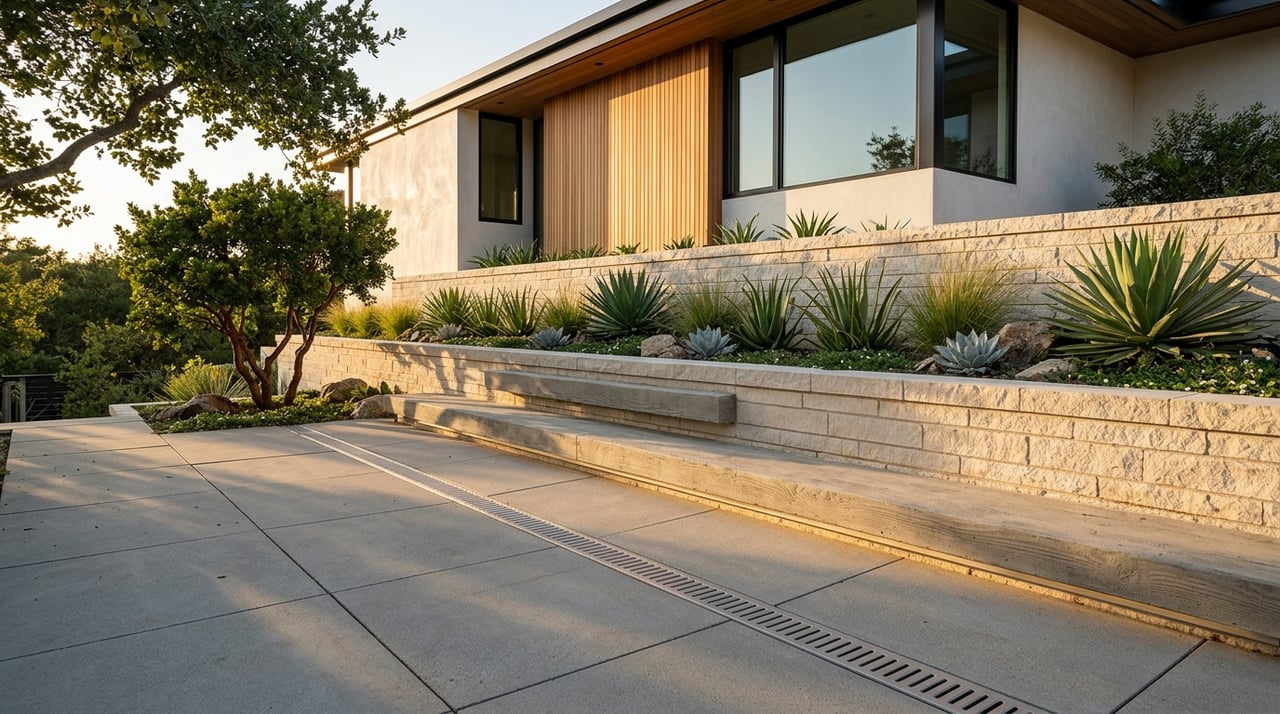
Two similar homes can perform very differently based on slope, retaining walls, parking, and the amount of flat, usable yard. Buildability and outdoor living areas are major drivers of demand. We review parcel shape, driveway access, and any grading or shoring noted in permits.
Permits, grading, and hillside rules
Hillside work often requires grading permits, geotechnical reports, and special structural design. Before planning a remodel, review the property’s LADBS permit history and confirm current zoning and hillside overlays in the City’s ZIMAS planning tool and the Department of City Planning site for policy context at Los Angeles City Planning.
Natural hazards and insurance
Slope stability and seismic zones can affect underwriting and retrofit needs. Check statewide geologic hazard layers at the California Geological Survey hazards portal. For flood mapping, use FEMA’s Flood Map Service Center. These tools help you understand risk and set realistic timelines and budgets.
Access, parking, and services
Steep or narrow access, limited on‑street parking, and long driveways can influence demand and time on market. Fire access and defensible space are common topics in peak fire season. We factor access into pricing strategy and showings to match likely buyer profiles.
How we build a reliable dataset
- Define the boundary: we draw a consistent polygon for the Silver Triangle and keep it fixed for trend comparisons. We document it and share the map.
- Pull the records: we export all single‑family actives and closed sales from the MLS within that polygon for the last 90 days, 12 months, and 5 years. We confirm parcel details with the LA County Assessor.
- Clean and standardize: we align the living area field, flag new construction, exclude non‑typical transfers, and remove extreme outliers when they are clearly not representative.
- Compute the metrics: median sale price, median price per square foot with interquartile range, DOM, list‑to‑sale ratio, months of inventory, and pending ratio. We also segment by price band and by view versus non‑view.
- Document the method: we publish the timeframe, sample sizes, and data caveats so you can read the numbers with confidence.
Practical tips for buyers
- Get clarity on slope and structure. Review LADBS records early and budget time for geotechnical due diligence on hillside properties.
- Use cohort comps. Compare to recent sales with similar view quality, lot usability, and parking. Price per square foot varies widely across these cohorts.
- Watch months of inventory. Under 3 months suggests faster decisions and stronger offers. Over 6 months may allow more negotiation and longer contingencies.
- Plan for insurance and retrofits. Verify hazard zones at the California Geological Survey and flood maps at FEMA, then check insurability early in the process.
Practical tips for sellers
- Lead with the right story. If your home has clear canyon or city views, verified design pedigree, or superior flat outdoor areas, showcase those drivers with photography and copy.
- Price to the cohort. Anchor to comps with similar view quality, slope, and parking. Back your ask with data and recent DOM norms for your segment.
- Prepare your file. Pull permits from LADBS, note recent improvements, and clarify any open items. Transparency builds trust and can shorten escrow.
- Time the launch. Watch active inventory and pending ratios to choose a week with less direct competition and stronger absorption.
What to watch this quarter
- Months of inventory trend. A steady drop toward 3 months suggests strengthening conditions for sellers. A rise toward 6 months points to a more balanced feel.
- New listings versus pending sales. If pendings keep pace with new listings, demand is absorbing supply. If not, expect longer DOM and sharper pricing.
- Price per square foot dispersion. A wider interquartile range often signals a mix of condition and view quality hitting the market at once. Narrow spreads can mean buyers agree more on value.
- DOM on active listings. Rising DOM on actives may precede price adjustments. Stable or falling DOM signals stronger buyer engagement.
Short methodology and sources
- Property type: single‑family homes only for apples‑to‑apples comparisons in the Silver Triangle hillside pocket.
- Metrics: medians for prices and price per square foot, interquartile ranges for spread, and clear sample sizes. Months of inventory benchmarks are under 3 months for sellers, 3 to 6 balanced, over 6 for buyers.
- Sources: MLS exports for actives, pendings, and closed sales; parcel and ownership confirmation at the LA County Assessor; permits via LADBS; zoning and hillside context at Los Angeles City Planning and ZIMAS; hazard layers at the California Geological Survey and FEMA Flood Map Service Center.
Ready for numbers tailored to your address and timeline? Reach out to schedule a custom Silver Triangle market read, including a boundary map, cohort comps, and a pricing or offer strategy built for your goals. Connect with Bryan Abrams to get started.
FAQs
How do I define the Silver Triangle boundary for analysis?
- Use a single, consistent polygon for the same hillside pocket each time, aligned to a recognized local source, then include only sales within that boundary for apples‑to‑apples trends.
Is Studio City Hills a seller’s or buyer’s market right now?
- Check months of inventory. Under 3 months favors sellers, 3 to 6 is more balanced, and over 6 favors buyers. Pair this with list‑to‑sale ratios and DOM for a fuller read.
How much more do view homes sell for in the Silver Triangle?
- Premiums vary. Local agent data often shows roughly low‑teens to mid‑20s percent for high‑quality views. Compare median price per square foot for clear view versus non‑view cohorts over the same period.
What permits should I review before remodeling a hillside home?
- Start with the property’s LADBS permit history and confirm zoning and hillside overlays in ZIMAS. Expect grading, geotechnical, and structural reviews that can extend timelines.
How should I interpret price per square foot in a hillside micro‑market?
- Use the median within a tight cohort of comps that match view quality, lot usability, and condition. Review the interquartile range to understand normal variation.
What hazard checks matter for hillside properties in Studio City?
- Review landslide and seismic zones at the California Geological Survey hazards portal and flood risk at FEMA’s map center. Share findings with your insurer and contractor early.