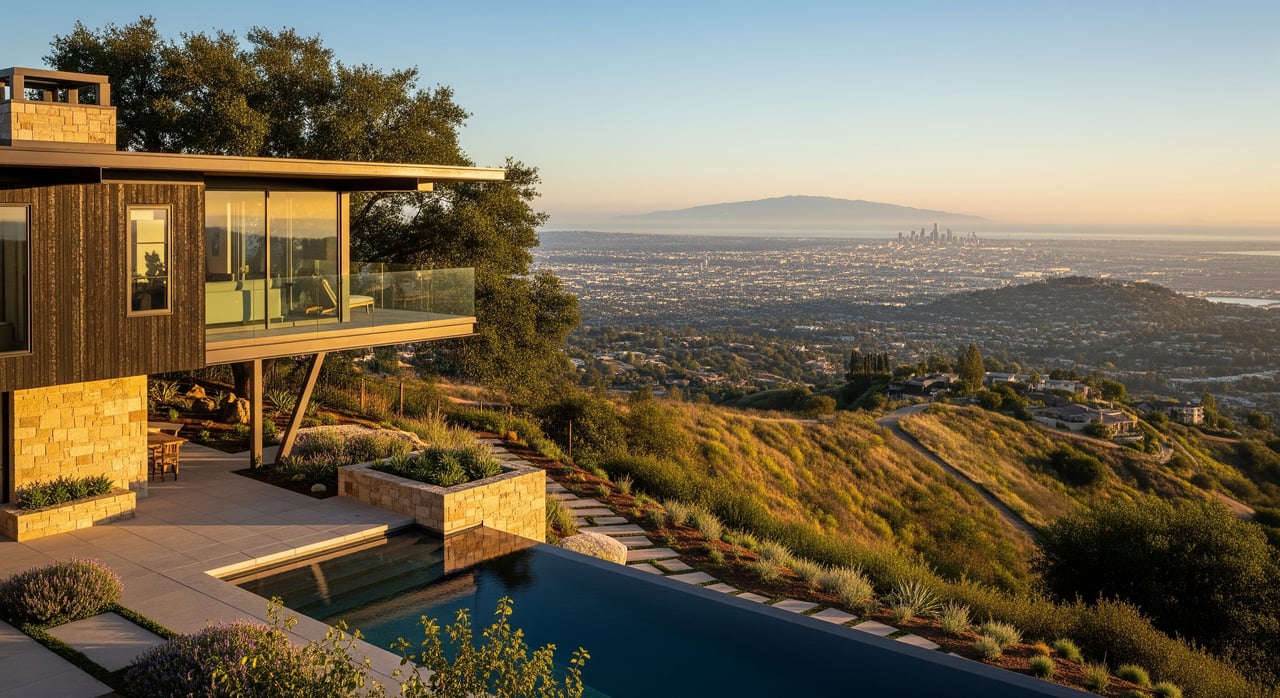
Thinking about adding a room, a pool, or a new deck in The Doñas? On our hillside streets, the rules that protect slopes and views can shape what you build and how long it takes. If you have heard about the Baseline Hillside Ordinance and Mulholland Scenic Parkway rules, you are not alone. This guide explains what they mean for your timeline, budget, and design options so you can plan with confidence. Let’s dive in.
The hillside rules at a glance
Los Angeles uses two main tools to guide hillside development near The Doñas: the Baseline Hillside Ordinance and the Mulholland Scenic Parkway rules. The Baseline Hillside Ordinance sets citywide standards for building on sloped lots. The Mulholland rules protect the scenic experience along Mulholland Drive and its corridor. Both aim to preserve hillside character, reduce grading, and keep slopes stable.
These rules can affect additions, pools, retaining walls, and any visible changes on a slope. They may change your design, add technical reports, and extend approval timelines. You can learn more with Los Angeles City Planning resources on hillside and specific plan regulations through Los Angeles City Planning.
Where they apply in The Doñas
Not every lot in The Doñas is affected in the same way. The Baseline Hillside Ordinance applies to mapped Hillside Areas. The Mulholland Scenic Parkway rules apply to parcels within the designated corridor or with clear visibility to Mulholland Drive.
To see what applies to your address, start with the City’s ZIMAS property lookup. You will see whether your lot sits in a Hillside Area, a specific plan such as Mulholland, or other overlays. If your lot is near Mulholland or visible from it, expect more design review focused on views and streetscape.
What the Baseline Hillside Ordinance means
Design and massing
Expect guidance that reduces visible bulk on slopes. Designs often use stepped floor plates, varied rooflines, and broken-up facades facing public views. The goal is a home that fits the hillside rather than a tall, boxy form.
Grading and earthwork
Grading is closely reviewed. Large cut and fill amounts can trigger more detailed plans and conditions. If your project needs flat pads, new retaining walls, or substantial earth movement, plan for added review and engineered solutions.
Height and setbacks
Height is measured carefully on slopes, and setbacks may require stepping the structure. This reduces visual impacts and protects views from public areas. Your architect will design within these rules to keep massing appropriate.
Geotechnical reports and drainage
Most hillside projects need a soils or geotechnical report prepared by a licensed engineer. This informs foundation type, retaining wall design, and drainage. It adds time and cost up front but helps prevent surprises later.
Retaining walls and driveways
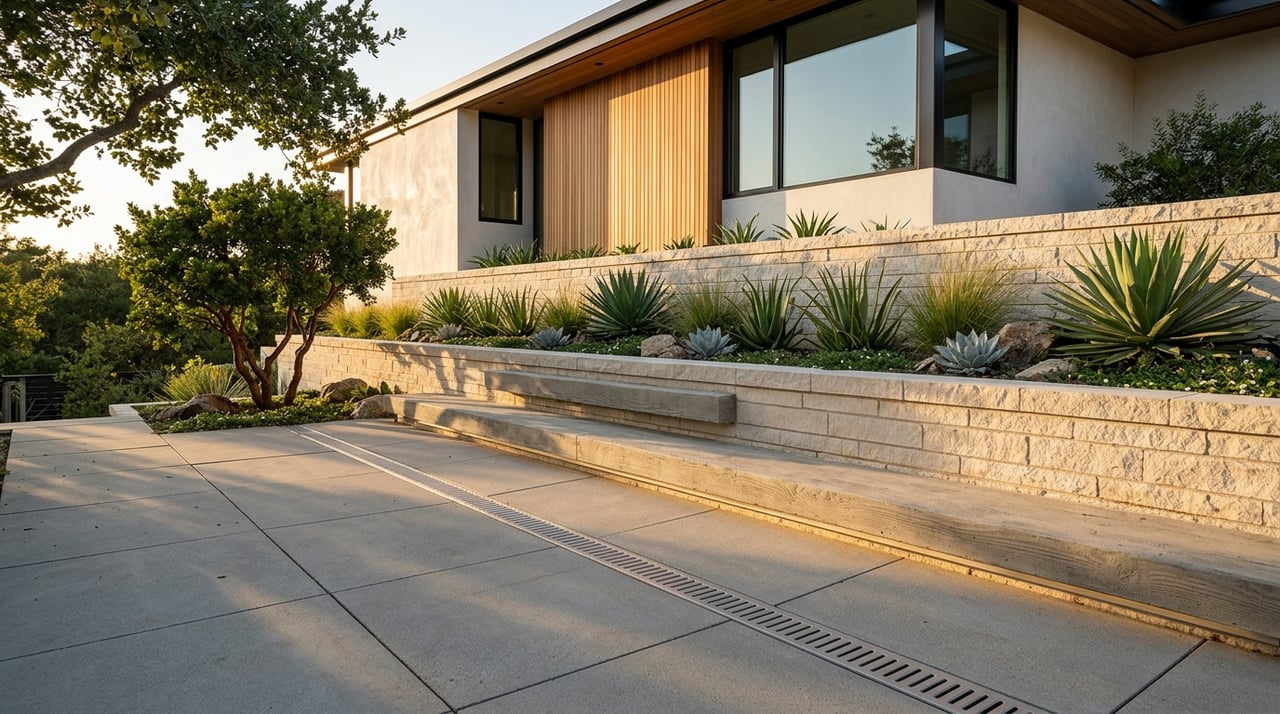
Retaining walls have height and visibility limits and must be engineered. Driveway slopes, switchbacks, and access are reviewed for safety and sightlines. Plan on integrating driveway and wall design early in your concept.
Discretionary review
Many hillside projects go through discretionary Planning review rather than a simple over-the-counter permit. That can involve public noticing and, in some cases, hearings. Build this time into your schedule.
Mulholland Scenic Parkway: what to know
Visual impacts from Mulholland
If your lot is within the Mulholland corridor or visible from it, the Specific Plan focuses on how your project looks from the road. Building massing, colors, materials, and grading are reviewed to protect the scenic character.
Fences, walls, and entries
Designs for gates, fences, and walls along or visible from the corridor face stricter standards. The intent is to avoid visual clutter and preserve the open, scenic feel along the parkway.
Lighting, trees, and signage
Lighting visible from the road is controlled to minimize glare. Tree removal can require review and replacement planting. Signage is limited to keep the corridor clean and cohesive.
Process implications
Projects under the Specific Plan often require coordination with City Planning and may trigger discretionary review and public noticing. Conditions can be added to preserve views or adjust the design.
Timelines and costs to expect
Every site is different, but these ranges help you plan:
- Minor, ministerial work: weeks to a few months for permits.
- Projects with BHO or Mulholland discretionary review: often 3 to 12 months for design review, plan check, and approvals.
- Complex projects with hearings or environmental review: 12 to 24 months is possible.
Budget notes to keep in mind:
- Professional studies: a geotechnical or soils report often ranges from about $3,000 to $15,000 or more, depending on scope. Topographic surveys often run $1,000 to $5,000. Structural and engineering drawings vary by project.
- City fees: small additions can be a few hundred to a few thousand dollars in plan check and permit fees. Larger projects can total several thousand across City departments.
- Construction impacts: grading, engineered retaining walls, specialized foundations, and drainage can add tens of thousands to hundreds of thousands depending on the site.
- Mitigation: tree replacement, landscaping, and view-related design changes can add both design time and cost.
How to check your lot in 15 minutes
Run ZIMAS. Search your address on ZIMAS and note Hillside Area, Specific Plan, and any corridor overlays.
Review zoning details. Look for Hillside overlays and any Mulholland references. Save a PDF of the parcel report for your files.
Pull permit history. Check the Los Angeles Department of Building and Safety for prior grading, retaining wall, foundation, or addition permits. Flag any unpermitted work.
Get a quick feasibility check. Ask a local architect or a civil or geotechnical engineer to review your goals. They can confirm if your work is ministerial or discretionary and identify likely reports and steps.
Consider a pre-application. For larger projects, a brief meeting with City Planning and Building and Safety can clarify submittal requirements and likely conditions. Start with resources at Los Angeles City Planning.
Tips for sellers and buyers in The Doñas
For sellers
- Gather permit records and any past geotechnical or survey documents.
- Prepare a one-page summary of hillside and Mulholland considerations for your lot.
- Highlight compliant, permitted improvements and thoughtful view-friendly design.
For buyers
- Budget time for design review if you plan to expand.
- Price in required studies and potential grading or retaining work.
- Verify overlays early to avoid surprise constraints later.
Common Doñas scenarios
- Adding a second story. Possible, but expect stepped massing, height limits, and geotechnical review. Design to reduce bulk from public viewpoints.
- Building a pool. Often requires grading, engineered retaining walls, and drainage plans. Plan for soils testing and possible discretionary review.
- Expanding a driveway or garage. Driveway slopes, sightlines, and access are reviewed. Retaining solutions must balance safety and visibility.
- Terracing the yard. Grading limits and wall height rules apply. Landscape plans may include tree mitigation or replacement.
Your next step
If you are weighing a remodel, addition, or sale in The Doñas, get clarity early. Confirm your overlays, line up the right professionals, and shape a design that fits both the hillside and your timeline. For neighborhood-specific guidance and a plan tailored to your property, reach out to Bryan Abrams for a local consultation.
FAQs
How do I know if my Doñas remodel triggers the hillside rules?
- Start with a ZIMAS check to see if your lot is in a Hillside Area, then confirm scope with an architect or Planning staff. Major additions and significant grading usually trigger review.
Will the rules stop me from adding a second story or a pool?
- Not automatically. You may need stepped massing, a soils report, and limits on grading. Pools and large flat pads often require engineered retaining walls and added review.
Do I need a geotechnical or soils report in The Doñas?
- Very likely for sloped sites and almost certain for new foundations, major additions, or projects with significant grading or retaining walls.
How long do approvals usually take in The Doñas?
- Small permits can take weeks to a few months. Discretionary hillside or Mulholland reviews commonly take several months to a year or more, depending on complexity.
What should Doñas sellers disclose about hillside rules?
- Provide permit history, note whether the lot is in a Hillside Area or the Mulholland corridor, and share any studies or prior approvals to reduce buyer uncertainty.